

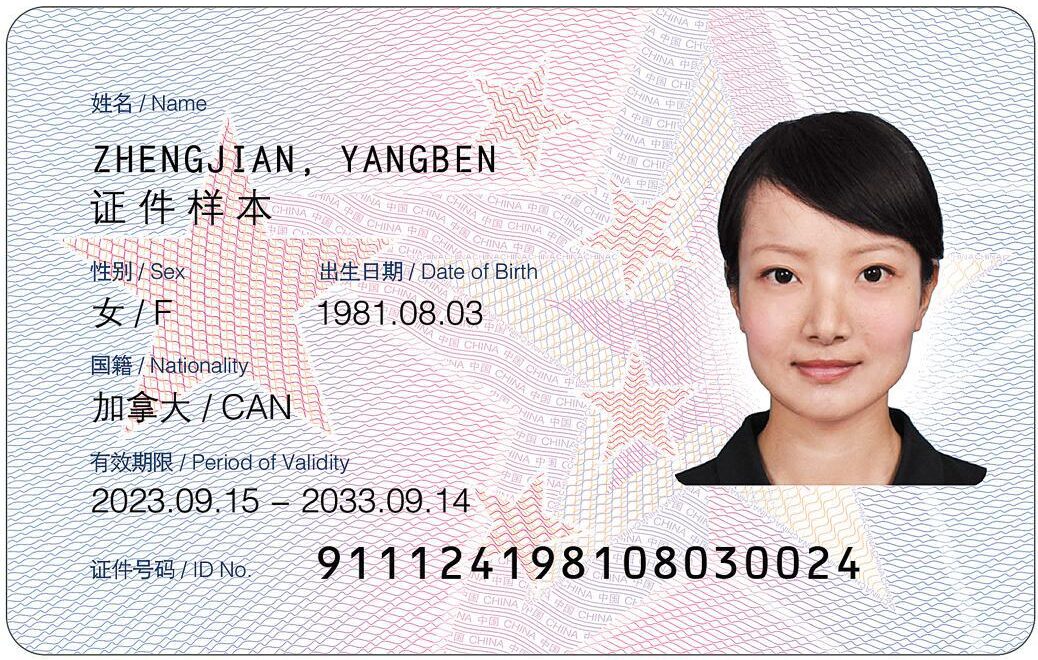

Thanks to my work which is largely around multi-national companies in China and international relations topics, I had the opportunity to get to know many expatriates in China. They can be restaurant owners, office co-workers, teachers, or startup investors.
So it is easy to understand that I get to know a bunch of foreigners in China who can be more familiar with the city than me. Whenever I heard that someone has been in China for 10 years or 20 years, I would ask the question: have you ever pursued permanent residence in China?
The answer is usually no.
The conversation may as well just stop there, but I would usually ask: Why not?
I would have been more convinced if they shared with me a more justifiable reason, but they mostly told me that they either do not know what are the benefits or do not know what is considered as being qualified.
I feel unfortunate because I know many of them do qualify, and permanent residence brings them more than unlimited travel in and out of China without visa restrictions.
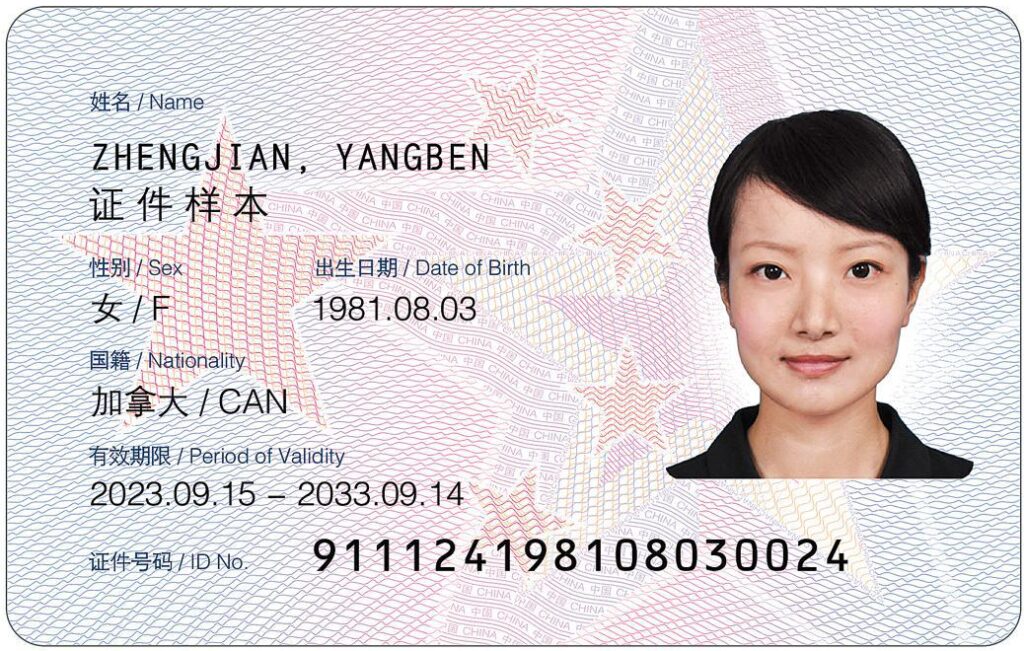

- A permanent “visa” without all the fuss
The permanent residence card enables foreign expats to enter and exit China border at any time without worrying about the validity of visa. A permanent residence card holder will no longer have to apply for any work permit and residence permit that requires a tedious renewal process every few years. The most importantly, the permanent residence card exempts the holder from any filings with local police (every expat in China is probably familiar with that experience), as part of the national treatment.
- Same for spouse and children, TOO!
For the expat’s spouse and children who are under 18 years old (and unmarried), their permanent residence applications could be turned in together with the expat. This makes family travel and mobilization a lot easier. There will be no worrying about processing documents for family members. The children are also able to have the same access to Chinese public schools as Chinese citizens before high school.
- No need to carry your passport around
Any expat living in China would understand the pain of using a passport to get a railway ticket on a machine, while Chinese citizens can use their ID cards to enter the platform directly. China’s current permanent residence cards can serve as “ID cards” for foreigners in these scenarios, thus the card itself guarantees a “frustration-free” domestic travel in China: whether booking for a hotel, a flight, or scanning an Alipay QR code to get into the subway.
- Set up your own WFOE with onshore renminbi
While foreign investors usually find it challenging to invest in wholly foreign-owned enterprises with onshore renminbi due to regulatory restrictions, foreign investors who are permanent residence holders are able to use renminbi to invest directly in China. While many foreign individual investors usually apply for work permits via their own companies being employers, it is, in fact, a more beneficial approach to get a permanent residence card and then claim all the benefits and flexibilities as a cardholder.
- Drive a car or own a house
A permanent card holder would be treated no differently from Chinese citizens in driver’s license application, car plate ownership, and house purchase. However, it has to be noted that the same quota and purchase restrictions that apply to Chinese citizens may also apply, depending on city policies.