

A Cautionary Tale – my friends’ child attended a prestigious bilingual kindergarten in the center of Beijing. Their child had a great time with their foreign English teachers very much until an unexpected inspection by the immigration police. It came to light that many teachers’ native language wasn’t English while they were teaching English (one requirement that the employers usually do not share). Detained and ultimately deported, their child’s teacher became of the kindergarten’s teachers lost their jobs and had to leave China immediately.
There should have been better storylines for these teachers, should they have had a better idea of what they were signing up for.
Teaching in China has become a popular choice for expats seeking a foothold in the country. With the promise of a work visa (a.k.a “Work Permit”), an enriching cultural experience, and a market eager for language education, the opportunity is undeniably attractive. From kindergartens with minimal entry requirements to universities demanding advanced credentials, China’s educational institutions are eager to recruit foreign instructors, especially for the purpose of foreign language teaching. But beneath the shiny surface, this career path can be full of unexpected challenges and hidden pitfalls.
“I want my kids to win at the starting line”
Learning a foreign language remains a strong trend in China, and among all English remains the undisputed king of all foreign languages. For many parents—especially those well-educated and well-paid —securing their children’s linguistic edge starts early. Over 300 million people in China are learning English, with the market for English language education estimated to exceed $15 billion annually. Despite of the economic slowdown, education expenditure in China keeps its growth pace. High-end bilingual kindergartens keep flourishing, promising toddlers a head start on their peer competitions. To meet this demand, these institutions eagerly employ foreign teachers, often offering attractive salaries and work visa sponsorships.
On paper, it sounds like a dream job.
But, as they say, not all that glitters is gold.
The Risks Beneath the Surface
One major risk lies in the legitimacy of employment arrangements. Not every educational institution in China is qualified to hire foreign teachers. If an employer offers to pay under the table or suggests working on a tourist or business visa, this should immediately raise red flags. Operating outside the bounds of a valid work visa not only exposes teachers to potential fines, detains and/or even deportation, but also puts them at the mercy of unscrupulous employers. Moreover, tax evasion and misaligned visa purposes are serious offenses under Chinese law.
Even with a proper work visa, compliance with China’s teaching qualifications is essential. Foreign teachers must meet specific individual requirements, such as holding a recognized teaching credential or possessing substantial professional experience. Without these, even the most well-intentioned teacher could face penalties if their credentials don’t hold up under scrutiny. Immigration authorities regularly conduct dawn raid, and violations often result in severe consequences, including fines, detains and/or deportation.
All in all, don’t simply trust whatever the employer told you – usually they don’t tell you the full story.
Long-Term Considerations
For those envisioning a long-term future in China, perhaps even permanent residency, meticulous planning is crucial. Immigration authorities review work visa applications with an eye on career consistency. Continuous employment record in aligned professions, without significant gaps or frequent job changes, strengthens the case for permanent residency applications. This makes it imperative to start with a well-prepared visa application and to maintain professional alignment throughout one’s tenure in China.
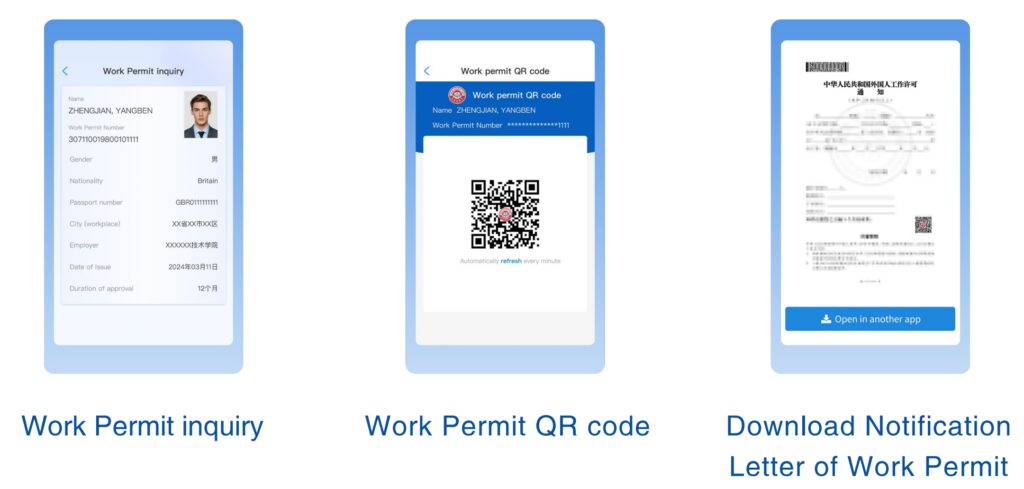
Navigating the Maze
Teaching in China can be a fulfilling and financially rewarding experience, but it requires careful navigation with professional guidance. Aspiring individuals should:
- Ensure the employer is authorized to hire foreign staff and will sponsor a legitimate work visa.
- Verify that their qualifications meet Chinese standards for foreign instructors to be hired in schools.
- Seek professional advice or legal assistance to make sure proper due diligence work is in place during talk with employers.
- Pay tax and social securities under Chinese law.
- Maintain a consistent professional trajectory if they hope to secure long-term residency in China.
Despite the challenges, teaching in China remains a promising career for those who approach it wisely. Find a trustworthy advisor – proper legal guidance and a careful offer evaluation will help individuals avoid common pitfalls and build a successful, meaningful career. For those willing to invest time in understanding the system and following the rules, the rewards—both personal and professional—can be substantial, and can go a long way.